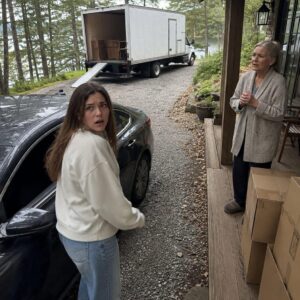
The box became a quiet trial, each document a verdict Lorraine could no longer script. In black ink and shaky signatures, it revealed a father who had shown up in all the ways her stories said he hadn’t. Custody forms, school photos with his hands half‑visible at the edge of the frame, a letter that refused to monetize affection—each item dragged the spotlight away from her polished narratives. For the first time, the room didn’t orbit her wounded dignity; it turned, slowly, toward the small person she’d edited down to a prop.
Leaving wasn’t a rebellion so much as a release. Without the house, there were no assigned roles to step into, no rehearsed apologies to recite on cue. The new place was cramped, but the air felt unsupervised. We taped drawings over peeling paint, let laughter spill past midnight without calculating who it might cost. There, love stopped needing legal proof or an audience. It was enough that we chose each other, again and again, with no judge, no witness—only the quiet relief of not being afraid to stay.