The courage arrived in pieces: a screenshot of the deed texted to a legal aid number, a whispered consultation in a hallway that smelled like stale coffee, the first time she said “I live there” instead of “I stay there.” When the lawyer confirmed what her family had always buried—that her name was on the house, that their threats were squatting dressed as love—something inside her clicked into place. Serving the eviction notice with shaking hands, she watched her sister’s face cycle through shock, fury, and a fear she recognized; they had all been raised to believe leaving was a sin, not a right.
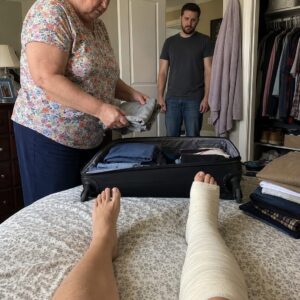
They called her ungrateful, cursed her as she packed a single suitcase and her son’s favorite dinosaur. But the day she walked out for the last time, the air tasted different. In the small apartment where her boy’s laughter now bounces off thrift-store walls, she keeps the deed in a drawer—not as a trophy, but as a reminder. She had not been saved by paper or courts, but by the moment she decided her body was not collateral and her silence not a family tradition. Here, in rooms she can lock from the inside, she is no longer an extra in their chaos. She is author and witness, building a life on choice, tenderness, and the quiet, radical act of staying gone.