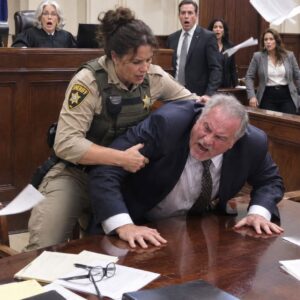
The day their sentence was handed down, I didn’t attend the hearing. I sat on the back steps with a chipped mug of coffee, listening to the wind move through the old maple my grandfather planted, and realized I no longer needed a judge’s voice to make this real. The sheriff had already called with the outcome, my attorney had already texted the formal words, but what settled over me that morning wasn’t victory—it was release. The house was mine, yes, but more importantly, the story was no longer theirs to tell.
Months later, the apology letter arrived, my mother’s handwriting smaller than I remembered, my sister’s name scribbled in the return address like a plea. I turned it over in my hands, feeling the weight of everything it might contain—excuses, explanations, weaponized regret. Then I placed it, unopened, into the fireproof box with the trust papers and the final court order, not out of cruelty, but out of self-respect. Some truths don’t live in ink; they live in choices. I chose the quiet. I chose boundaries that no blood tie could cross. In the evenings, I kneel in the garden, pressing rose cuttings into the earth my grandparents saved for me, and for the first time, I’m not the “spare.” I am the last, best version of our line—the one who ended the inheritance of harm and planted something living in its place.