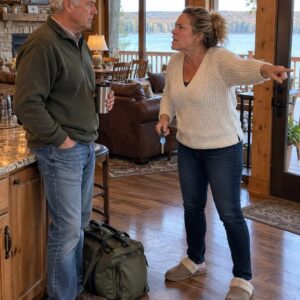
By dusk, my in-laws were reduced to two suitcases on the curb, watching a locksmith erase the last locks they’d ever turn in this house. Rebecca walked every room with me, opening cabinets, checking windows, narrating the protections Mark had built: the transfer of the deed, the trust language naming me sole trustee, the clause that froze his parents out unless they admitted—on camera—that their son had been competent. In the bedroom safe, behind old tax forms, we found a folder thick with passwords, policies, and a sealed envelope labeled: For the kids when you’re ready. I held it like it might burn through my skin.
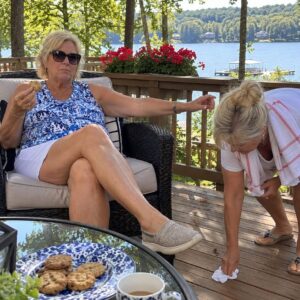
Safety didn’t dissolve the ache. Noah’s bruise faded, but his questions didn’t. Lily carried Mark’s sweatshirt from room to room until the scent finally left it. I went back to work, packed lunches, sat through parent-teacher conferences with a hollow where my future used to be. In April, we drove to the lake cabin his parents had always called “the family place,” and unlocked it with a key they no longer owned. We aired out the rooms, scrubbed winter from the windows, planted yellow flowers because Lily said they looked like sunshine that refused to leave. On the dock, wind biting my cheeks, I slid my ring back on—not for Elaine’s approval, but as a vow to the life Mark had fought for in secret. He hadn’t just protected our assets; he had bet on the woman I would have to become. The worst had already happened, and I was still standing. With the water breathing under the boards and my children laughing behind me, I closed my hand around the ring and chose, finally, not just to survive, but to belon