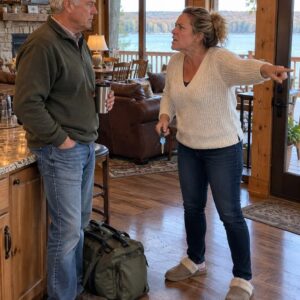
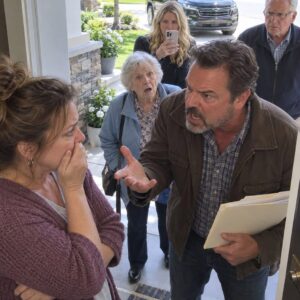
Aunt Linda’s knock cut through the storm like a gavel. She stepped inside, dripping rain onto the same tile where I’d once sat cross-legged, waiting for someone to notice I’d made honor roll. Her eyes flicked from my packed duffels to my parents’ stunned faces, then landed on me with a calm that felt like oxygen. No speeches, no dramatics—just, “Are you ready?” I was. The house shrank behind me as we drove away, its windows glowing like watchful eyes that had finally blinked too late.
The years that followed were not a neat montage. Stanford was fluorescent-lit loneliness, imposter syndrome, and cafeteria dinners eaten with trembling hands over borrowed textbooks. But it was also the first time my effort belonged entirely to me. Professors saw my patterns before I did; one asked why the support structures for low-income, high-achieving kids ended at the acceptance letter. That question became a research project, then a thesis, then a nonprofit that built bridges for kids standing where I had once stood—packed, terrified, determined. When I returned home years later, the house was smaller, quieter. Amber met my eyes. My parents apologized without demanding forgiveness as payment. I believed them enough to visit, not enough to stay. In my old room, the blank wall where my Stanford letter had hung no longer hurt. The door I’d drawn in my mind as a teenager was real now—solid, open, and mine. I walked through it again that evening, not to escape, but to leave on my own terms, the fuse burned out, the explosion transformed into light.