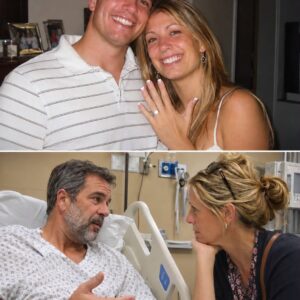
When the truth finally arrived in full, it did not roar; it settled, dense and undeniable, in the space between what people say and what they are willing to risk. Raymond’s secret wasn’t only that I had a legal escape hatch from a marriage built on a technical lie. It was that he had spent what he had—money, time, his own body’s dwindling credit—trying to give me the choice he’d never had. He’d been the child passed along without consent, the man who learned too late that his life had been negotiated in back rooms. So he became the father who would not let his son’s future be decided in silence, even if it meant standing in my kitchen like a supplicant while my wife defended a house she might never have legally owned.
I didn’t run straight to the courthouse. I pulled our accounts apart, locked the trust behind passwords and signatures, and watched what Natalie did when she understood I could leave without losing anything but her. No tantrums, no apologies that cost her anything; only a careful campaign to restore comfort without ever fully admitting the depth of her deceit. Over months, the contrast clarified: my father had nearly died to keep me from living in a lie; my wife was willing to let me stay in one as long as it served her. In the end, I filed the annulment papers not as an act of rage, but as an act of alignment—with the man who had cleared a path for me in the dark and trusted I’d recognize daylight when I saw it. The truth cost him years, possessions, pieces of pride. It cost me a marriage I’d already lost. What Raymond knew, and what I finally accepted, was that the bill always comes due. He paid his share. The rest was mine.