In court, their lawyer tried to turn me back into the girl they’d always described: unstable, ungrateful, impossible. He asked why I’d gone to dinner if I truly believed they were dangerous, and the truth came out before I could soften it. Because I hoped they had changed. The jury listened to Luis describe my father blocking the 911 call, to the waiter repeat after tonight, she’ll have to listen, to Dr. Henderson explain how the sedative in my water turned my prescription into a weapon. Then they heard my father’s own voice on the insurance call, giving my birthdate by accident while asking how fast a beneficiary gets paid if someone dies during a “medical episode.”
The verdict wasn’t cinematic. No gasps, no collapsing in aisles. Just three words repeated, steady as a heartbeat: guilty, guilty, guilty. At sentencing, I told the judge the line that defined my childhood—that when I said I couldn’t breathe, my father said I could wait until dessert. I wasn’t asking for the harshest label. I was asking the law to name what happened without letting them edit it.
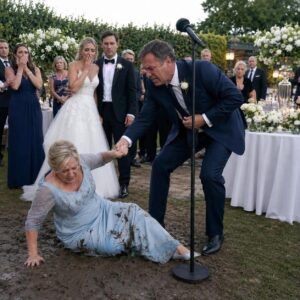
They went to prison. I went on. I married Daniel by the Columbia River with twenty-six people who believed me without needing me to bleed in front of them. A year later, I walked back into Rosemont Grill with Daniel and Luis and sat nowhere near the table where I’d collapsed. The waiter brought chocolate cake, three forks, on the house. My chest tightened with memory, but my lungs stayed clear. Dessert had finally arrived in a room where no one required my silence as the price of staying alive.