I drove home with the letter on the passenger seat, like a person I didn’t dare look at. In our kitchen, I laid the story between us, piece by jagged piece: the paid betrayal, the falsified papers, the way her grandparents had turned her mother into a cautionary tale and mine into a ghost. I watched Rachel’s certainty crack—not into guilt, but into grief. Every defense she’d ever been taught slid off her face as she realized she, too, had been raised inside a script written to keep us apart. “I didn’t know,” she said, and the absence of self-protection in her voice was the only proof I needed. When she whispered, “She’s also mine,” it sounded less like a claim than a confession of hunger.
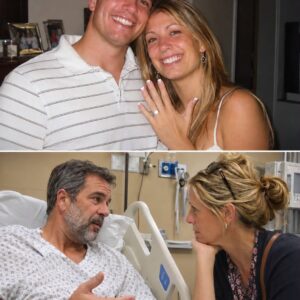
We went back to the hospital together, our marriage suddenly crowded with new DNA and old sins. Carol was still there, coffee cold, hope stubborn. She stood when she saw me, then stopped short at the sight of Rachel, as if the past had walked in wearing two bodies. For a moment no one moved. Then Carol said, “Rachel,” on a breath that had waited decades, and my wife answered, “Mom,” like stepping through a door she’d been told was a wall. They collapsed into each other, and I felt the axis of my life tilt toward something truer. Down the hall, my father slept, chest stitched, the man who had once checked a box for “two-year-old boy” and spent the rest of his life paying the interest on that choice. The aftermath was ugly—lawyers, confrontations, a family tree rewritten in ink and fury. Our marriage had to learn how to hold both horror and tenderness in the same bed. But in that fluorescent corridor, I finally understood him. He hadn’t bought redemption with that thousand dollars; he had simply finished what he’d started the day he brought me home. He showed up for the whole story. Late. Bleeding. Unafraid of the mess. And in the wreckage of what others had tried to bury, we stood together—father, mother, daughter, son—no longer borrowed, no longer stolen, finally ours again.