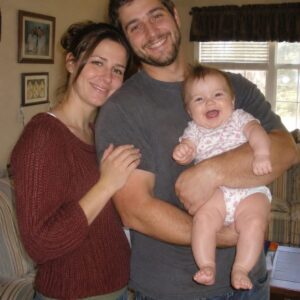
Monica tried to call it harassment; Margot calmly called it documentation. I offered her the police, the photos, the market values I’d calculated from eleven years of harvests. When she demanded to know what I wanted, I told her: an honest account, in her own handwriting, of what she had done, and repayment for the fruit she’d taken from my children. She stared at Daniel’s picture—him laughing under the tree she’d stripped—and something in her posture folded. She admitted the truth: she hadn’t wanted to ask, because asking meant humiliation and stealing felt like control. Then she wrote a three‑paragraph confession, read it aloud to the six neighbors who remained, and handed me a partial check with a promise for the rest.
We took the table down that afternoon. Marcus promised to return in spring to help with pruning. Inside, Ben had finally put on his father’s cap. When he asked what I’d done instead of yelling, I told him: “I told the truth where everyone could see it.” He watched Monica’s closed door, then the bare trees, and said he wanted to learn to prune. In the shed, we found Daniel’s garden journal, his quick, uneven handwriting praising five‑year‑old Ben’s “good eyes” for spotting crossing branches. My son read that line like a blessing. He didn’t cry; he planned. The next October, he would know when the apples were ready. He’d harvest what Daniel planted, guided by ink and memory. And if Monica knocked, he’d carry a share next door—not because she deserved it, but because generosity was part of what Daniel had grown into us. The trees, the knowledge, the habit of tending and then sharing: that was the real inheritance. The fruit would come and go. The orchard, and the way we chose to live beside it, would keep.