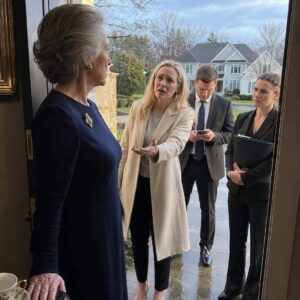
On the porch, with deputies between us, the question was simple: did I want them removed and formally trespassed. My father waited for me to flinch, to soften, to remember I was a daughter before I was an owner. My mother made the small, wounded sound she’d always used as a hook. Kyle stared at the floor, suddenly younger than his height. I said yes. The word landed like a door locking from the inside, less betrayal than alignment, my actions finally matching the reality I’d been living. They were escorted off my property, past the dock I’d dreamed about during double shifts and the trees that had watched me sign the mortgage alone. At the steps, my father asked if I was really going to do this, as if the break-in hadn’t already rewritten what family meant. “You did it first,” I said. The gravel swallowed their exit; the quiet that followed was shockingly whole.
Days later, the trespass notices arrived like thin, official ghosts. Margaret from next door handed me another spare key someone had slipped into her mailbox—one more invisible claim I hadn’t known existed. I called my father. His voice, smaller than his anger had ever allowed, admitted they shouldn’t have gone in. Not an apology, but the first sentence without a hook. He said I was like my mother, immovable once decided; for once, it wasn’t an accusation. I told him I wasn’t changing my mind. He said he knew, and nothing waited behind it. After we hung up, I walked to the dock and dropped that last key into the lake. The water closed over it without ceremony. Behind me, the house stood exactly as I had earned it: quiet, intact, unnegotiated. I went back to work, held a stranger’s hand through their worst hour, then drove home to a place that was mine and a phone that stayed mercifully still—proof that what I’d taken back wasn’t just a house, but the right to live my own life without asking permission.