The judge saw through it. The petition was withdrawn and dismissed with prejudice; the words felt like a lock turning in my favor. David was ordered to pay my legal fees and, cornered by evidence Malcolm’s team had dug up, signed a repayment plan for the sixty thousand dollars I had “forgotten” only in his version of events. Sarah backed out of the guardianship, sold her car, and started chipping away at her own debts. She visits most Sundays now, fingers in my garden soil, telling me about the memory‑care resident she met during the hearing—a woman who kept asking for a daughter who never came. Michael surrendered his beloved truck, drives an old Corolla, and calls every Wednesday, not for money, just to hear me say I’m all right. They are not the children who left me for a parking fee; they are the ones stumbling back through shame, one awkward visit, one boundary honored, one honest payment at a time.
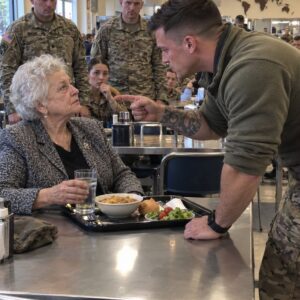
Malcolm did more than save my house; he redirected the story of my last years. He offered me work that turned an old cafeteria kindness into something fierce and deliberate. I now run the Children’s Table program across his hospitals, making sure no child waits hungry beside a beeping monitor while adults whisper about deductibles. Every ticket we print carries the same gentle fiction I once used on him—“The cafeteria made extras today”—and parking for families is free wherever his name hangs on a wall. In my purse, I keep the original lunch ticket he once hid in his shoe through foster homes and bad nights, returned to me on my sixty‑fifth birthday like a relic. I had thought I’d given away a few anonymous dollars; I hadn’t understood that mercy accrues interest in secret. It circles back when the chairs are empty and you think you’ve been abandoned, arriving in its own time, wearing a good suit, carrying a briefcase, and sitting down exactly where you once feared no one ever would.